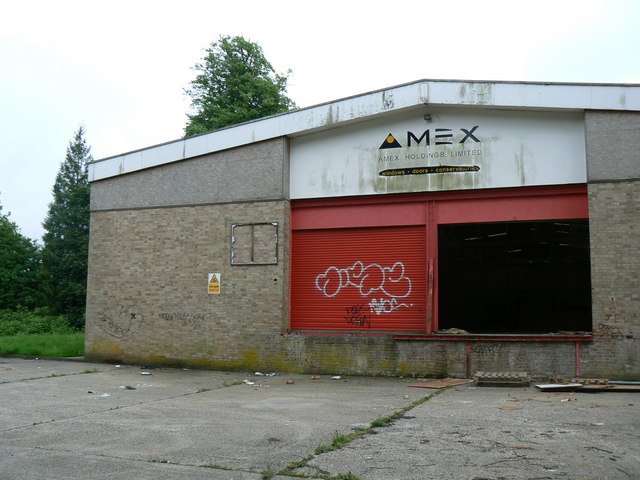
A large-format warehouse is, geometrically, mostly roof. Tens of thousands of square metres of it, flat and exposed to equatorial sun for the entire working day. It is also the single surface a conventional energy audit is least equipped to inspect — too vast to walk thoroughly, too hot and too hazardous to spend time on, and usually dismissed as “just a shed” not worth the effort.
That assumption is increasingly expensive.
The shed is becoming a conditioned building
For years, the typical warehouse was unconditioned and nobody cared about its thermal performance. That is changing fast across ASEAN. The logistics boom around Johor, Klang, and the wider region is pulling in temperature-sensitive cargo, pharmaceutical and food cold chain, e-commerce fulfilment with climate-controlled zones, and a rising baseline expectation of tolerable working conditions for staff. The moment a warehouse holds a temperature — even a modest one — the roof stops being a passive cover and becomes the dominant driver of its energy load.
Why the roof dominates the energy story
- Surface area. In a single-storey logistics building the roof can be the overwhelming majority of the external envelope. Heat gain scales with area, and there is no larger area to gain through.
- Sun exposure. A flat roof under tropical sun reaches punishing surface temperatures, driving heat downward into the space all day.
- Hidden moisture. Flat roofs in high-rainfall climates trap water in insulation and membranes. Wet insulation loses its thermal value and quietly raises the cooling load — and the first visible sign is often a leak, long after the energy penalty began.
Why it goes unmeasured
The roof is exactly the surface manual auditing handles worst. Putting a team and thermal equipment across a live warehouse roof is slow, risky, and disruptive, so it is usually sampled lightly or skipped. The result is that the building’s most important energy surface is also its least understood — a blind spot precisely where the data matters most.
What an aerial survey changes
This is the clearest case for drone-based thermography. An aerial thermal survey covers an entire warehouse roof in a single short flight, with no one stepping onto the surface. It reveals, in one pass:
- Zones of missing or degraded insulation.
- Moisture-saturated areas holding heat differently from dry sections.
- Membrane and seam failures before they become leaks.
- The interaction with rooftop plant and any installed solar array.
For a logistics operator running many sites, the same survey benchmarks every roof against every other — turning a fleet of “sheds” into a ranked list of where insulation, cool-roof coatings, or repairs will cut the most energy.
The solar dimension
Warehouse roofs are also prime real estate for solar generation, and many ASEAN operators are racing to cover them. But a panel array installed over failing insulation locks in an energy problem under an asset that is hard to lift again. Surveying the roof’s thermal condition before the panels go down is the difference between solving two problems and burying one.
The warehouse roof was always the building’s biggest energy variable. The only thing that changed is that it is finally measurable — safely, completely, and across a whole portfolio at once.
Technicity helps logistics and industrial owners across ASEAN survey hard-to-reach roofs and turn the findings into a prioritised efficiency plan. If your portfolio runs on large-format roofs you have never fully inspected, start a conversation — no commitment, no obligation.
Interested in Japanese Deep-Tech for Your ASEAN Operations?
Technicity bridges Japanese bio-process innovation into ASEAN markets. Tell us about your needs and we will connect you with the right technology.