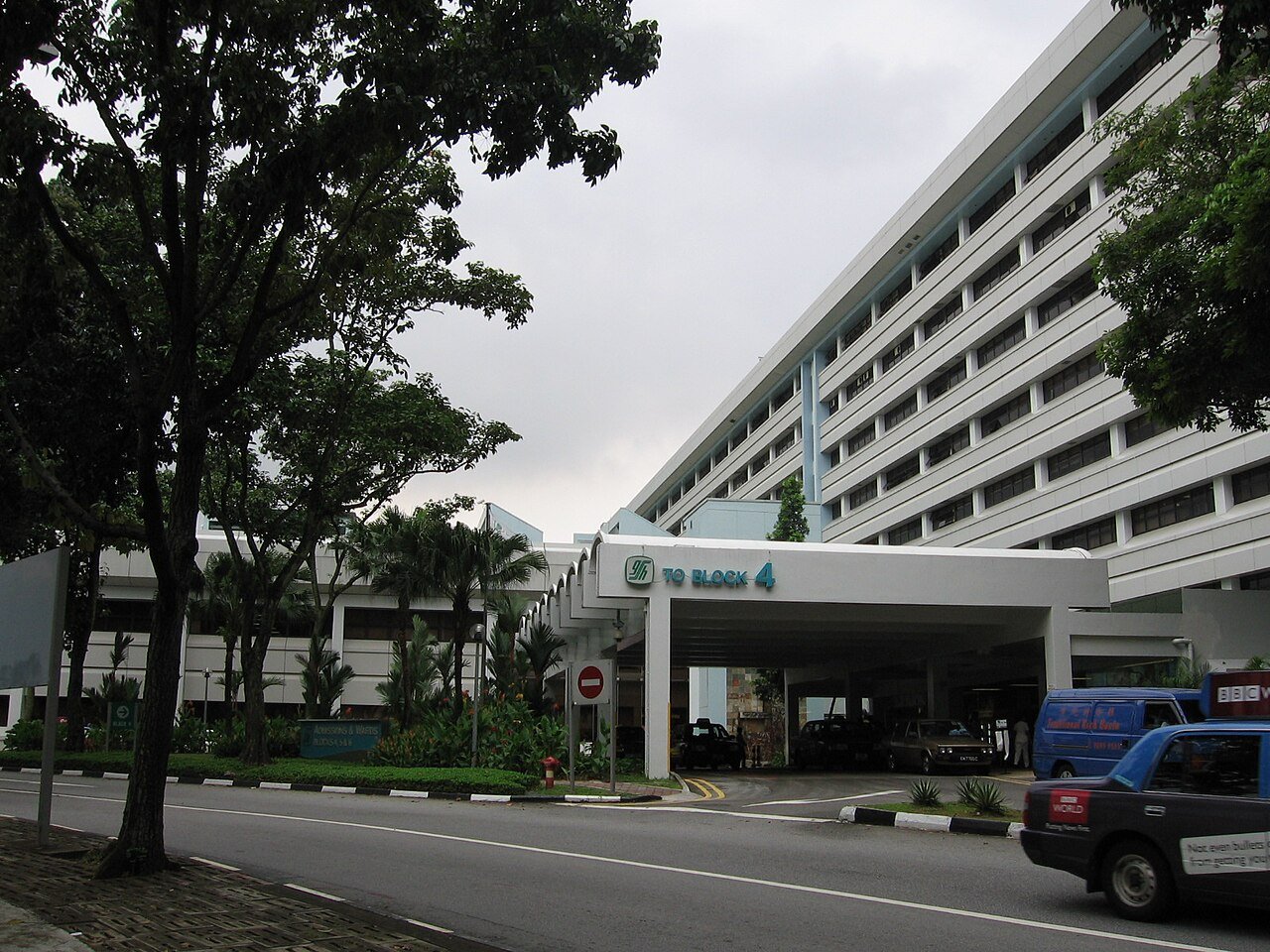
A hospital campus is rarely one building. It is a dozen — an original block from one decade, a tower from another, specialist wings bolted on as services grew, all connected and all running every hour of every day. That combination of round-the-clock operation and mixed-age construction makes healthcare among the most energy-intensive real estate there is, and one of the hardest to manage as a single asset.
Why hospitals burn energy differently
Most building types get a nightly break — offices empty, retail closes, the cooling load falls. A hospital never does. Operating theatres, wards, diagnostics, and critical-care systems run continuously, with strict requirements for temperature, humidity, air changes, and infection control that leave little room to simply dial things down. The load is high, constant, and largely non-negotiable on the operational side — which is exactly why the envelope side matters so much.
The mixed-age problem
The defining feature of a hospital campus is that its buildings were not built to one standard. A 1990s wing, a 2010 extension, and a recent specialist block can sit metres apart with completely different envelope performance. Treating the campus as one number hides this entirely — the efficient new tower masks the wing that is haemorrhaging energy through an ageing façade and roof. Averages comfort; they do not inform.
Map it wing by wing
The intelligent move is to stop treating the campus as a single building and benchmark it the way it was actually built — structure by structure. A whole-envelope thermal survey across the campus produces a comparable performance figure for each wing, which immediately answers the question that capital planning actually needs:
- Which buildings lose the most energy, in absolute terms and per square metre?
- Where are the losses — roof, façade, glazing, specific junctions?
- Which interventions would cut the most load for the least disruption to a live clinical environment?
With that map, a facilities team can direct retrofit budget to the buildings that lose the most first, rather than spreading it thinly or defaulting to the most visible site.
The disruption constraint is real — and that favours measurement
You cannot close a ward to investigate a wall. Healthcare’s operational sensitivity is precisely why remote, non-intrusive surveying suits it so well: an aerial thermal survey reads the entire envelope of every building from outside, with no disruption to patients, staff, or clinical systems. The assessment happens around the hospital’s operations, not against them.
Why this is urgent in ASEAN
Healthcare capacity is expanding across Kuala Lumpur, Jakarta, Bangkok, and Singapore, and the permanent cooling load in this climate makes every inefficient wing a permanent drain. With electricity costs rising as regional subsidies are rationalised, the energy line on a hospital’s budget is climbing at exactly the moment estates are growing. A campus that knows which of its buildings lose the most can protect its clinical budget by cutting its energy waste — deliberately, and in the right order.
The energy is not lost evenly. It is lost wing by wing. The first step is a map that shows which ones.
Technicity helps healthcare estates across ASEAN map envelope performance building by building and prioritise retrofit spend without disrupting operations. To see where your campus loses energy, start a conversation — no commitment, no obligation.
Interested in Japanese Deep-Tech for Your ASEAN Operations?
Technicity bridges Japanese bio-process innovation into ASEAN markets. Tell us about your needs and we will connect you with the right technology.