The Subsidy Squeeze: How Oil Shock and Tariff Reform Are Reshaping ASEAN Building Economics
ASEAN building owners are facing a narrowing window. Oil prices spiked above $100 per barrel in 2026 following disruptions to the Strait of Hormuz, but the fallout is not at the pump alone—it is hitting electricity tariffs hard, and governments are running out of budget to absorb the blow. For facility managers across the region, the choice between rising operating costs and stable energy budgets has collapsed into a single pressure: adapt now, or run at a loss.
The Tariff Shock Is Live
Singapore signals the timing. On 18 June 2026, the Energy Market Authority confirmed that regulated electricity tariffs will rise “significantly” from the third quarter, with major forecasts clustering at 20–30% for the second half of the year. The cause is transparent: Singapore imports 95% of its electricity fuel. When natural gas prices jump on geopolitical risk—as they did after February 2026 strikes and the Strait of Hormuz closure—the cost lands directly on Singapore’s power sector within weeks. The EMA has warned of “further and potentially sharper increases” later in 2026.
Across the wider region, the price structure remains steep. As of 2026, Singapore electricity costs USD 0.25 per kilowatt-hour, compared to Malaysia at USD 0.09/kWh, Thailand at USD 0.12/kWh, and Indonesia at USD 0.14/kWh. A 20–30% rise in Singapore pushes the city-state closer to USD 0.30–0.32/kWh, further isolating it from lower-cost neighbours and intensifying pressure on data centre operators, hospital networks, and commercial landlords.
Subsidy Budgets Are Breaking
Governments in oil-importing ASEAN states are absorbing fuel price shocks through subsidies—and the math no longer works. Indonesia has allocated 381 trillion rupiah (USD 22.4 billion) for fuel-related subsidies in its 2026 budget, assuming an oil price of USD 70 per barrel. But if crude stays above USD 100, the fuel subsidy bill swells from approximately 0.4% of GDP to 0.8% of GDP, a doubling of fiscal burden. The government faces a binary choice: raise tariffs or slash other spending.
Thailand’s experience is instructive. The Oil Fuel Fund, which smooths price volatility for consumers, slipped into a deficit of THB 786 million (USD 22 million) in early March 2026. By 26 April, the deficit had widened to THB 62.4 billion (USD 1.9 billion). The fund was designed to buffer short-term shocks, not sustained three-digit oil prices. Tariff reform is now inevitable.
Southeast Asia’s total fossil fuel subsidy bill reached USD 353.1 billion (8.1% of regional GDP) in 2024. With oil near USD 100 and governments facing fiscal strain, the region’s subsidy regime is entering a structural break. Tariff passes-through to end-users will accelerate across Indonesia, Thailand, and the Philippines through 2026 and 2027.
Building Operators Are in the Firing Line
For facility managers, electricity is the largest controllable operating expense. A 20–30% tariff shock in Singapore, compounded by sequential tariff hikes in Malaysia, Thailand, and Indonesia, erodes 2–4 percentage points from building net operating income if efficiency gains cannot offset the increase. Multitenant office buildings, data centres, and hospitals—high-cooling-load sectors—face the sharpest exposure.
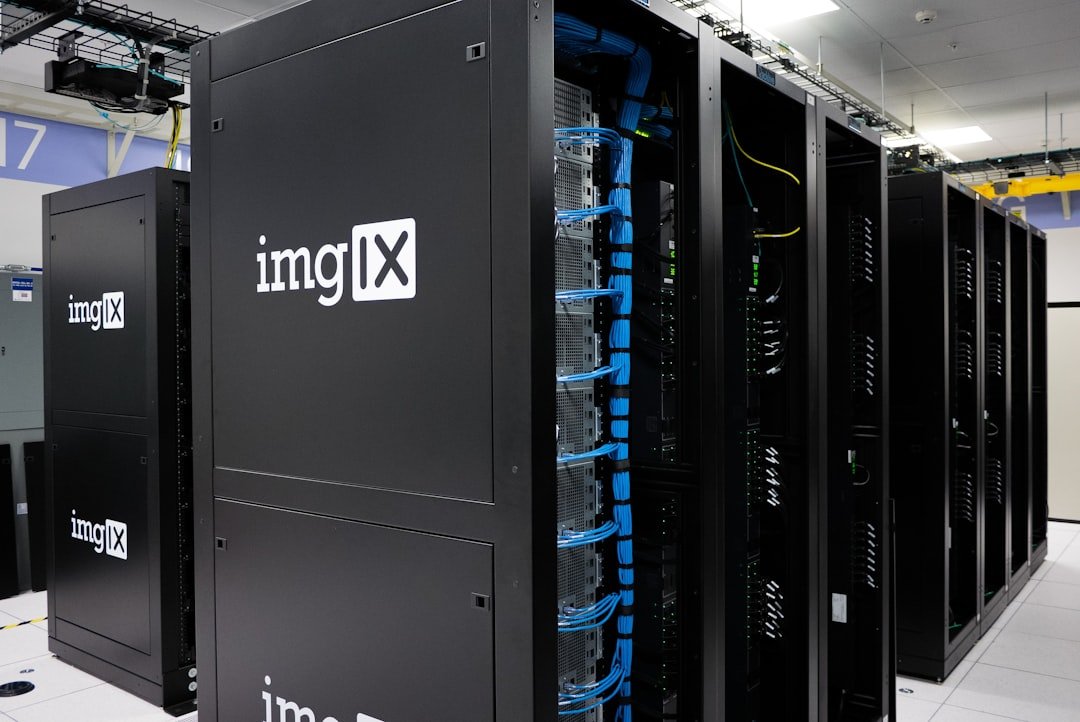
Data centre operators are particularly exposed. ASEAN data centre electricity demand is forecast to reach 68 TWh by 2030 (from 9 TWh in 2024), with annual capacity growth running at 19–19.4% through 2028. Cooling accounts for 30–40% of total data centre energy consumption in the region’s tropical climate. A facility that invested in a 15-year PPA at USD 0.12/kWh in Thailand now sees new equipment contracts pricing at USD 0.14–0.16/kWh, a structural 15–30% cost increase before tariff reform even lands.
The Retrofit and Tariff Arbitrage
Owners with capital are moving to three levers: (1) envelope and HVAC retrofits to reduce cooling demand by 15–25%; (2) on-site or rooftop solar to arbitrage tariff spreads (generating at USD 0.04–0.06/kWh, selling back or netting against USD 0.12–0.25/kWh grid consumption); and (3) demand-side management to shift peak load away from peak-tariff windows—a tactic that is losing effectiveness as tariff structures flatten and peak multipliers narrow under subsidy pressure.
Portfolio owners are also re-evaluating geography. A logistics warehouse in Singapore may no longer pencil out against an equivalent facility in Johor Bahru or Klang Valley, where electricity costs are one-third lower. This arbitrage is reshaping real estate investment in the region: lower-cost energy zones are becoming more valuable, and high-tariff jurisdictions face obsolescence pressure on energy-intensive assets.
The Window to Act Is Closing
Facility teams that have deferred envelope audits, thermal commissioning, or metering upgrades now face a narrow window. Tariff hikes are front-loaded; retrofit lead times are 12–24 months. Buildings that lock in retrofit costs this quarter will see payback periods compress significantly if tariffs increase 20–30% in 2027. Facilities that wait for next year’s budget cycle may find retrofit ROI has narrowed, and financing costs have risen.
The subsidy squeeze is not a temporary price shock—it is a structural realignment of energy economics across ASEAN. Building owners who read the tariff reform cycle and act before tariffs accelerate will preserve margin. Those who treat this as a weather event will find their operating models no longer competitive.
For facility teams navigating this transition, the conversation is now operational urgency, not long-term strategy. Connect with us to discuss how thermal data, energy metering, and retrofit prioritisation can anchor your building portfolio through tariff volatility.
Interested in Japanese Deep-Tech for Your ASEAN Operations?
Technicity bridges Japanese bio-process innovation into ASEAN markets. Tell us about your needs and we will connect you with the right technology.