A drone can photograph an entire building envelope in an afternoon — but thousands of thermal images are data, not insight. The real shift is what artificial intelligence does next: turning raw imagery into a ranked, comparable retrofit plan.
Singapore is watching. Malaysia’s data center build in Johor is not competing with Singapore — it is the operational extension of Singapore’s AI infrastructure strategy. The regional playbook positions Malaysia as the workforce and services pipeline for ASEAN’s AI build.
An SME wins a facilities contract in the hyperscaler supply chain. Then they try to hire for a role that didn’t exist 24 months ago, with no job description, no salary benchmark, and no recruitment agency that knows the role exists.
AI didn’t destroy jobs. It displaced workers into a gap. The workers leaving admin and manufacturing aren’t the wrong workers — they’re workers pointed at a shrinking market when the same skills could be filling the second-layer jobs that nobody is connecting them to.
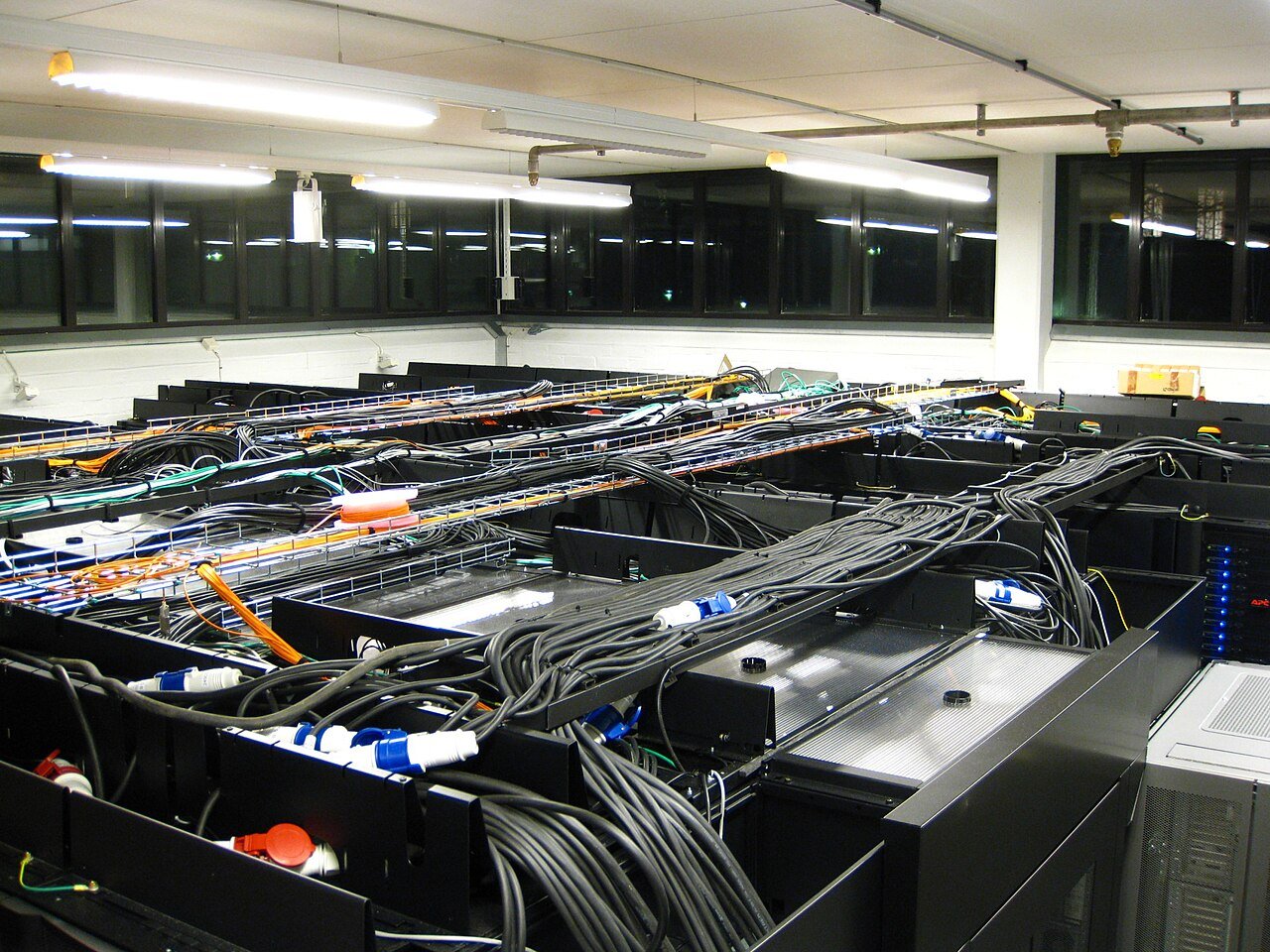
Every infrastructure boom creates a second-layer economy that outgrows the infrastructure itself. Here is the full map of Tier 1, 2, and 3 businesses created by Malaysia’s $4.2B data center boom — and the three gaps nobody is filling yet.
Malaysia has $4.2 billion in hyperscaler commitments. Everyone is watching the data centers go up. Nobody is asking who’s going to sell the phone cases — and that’s where the real opportunity is.