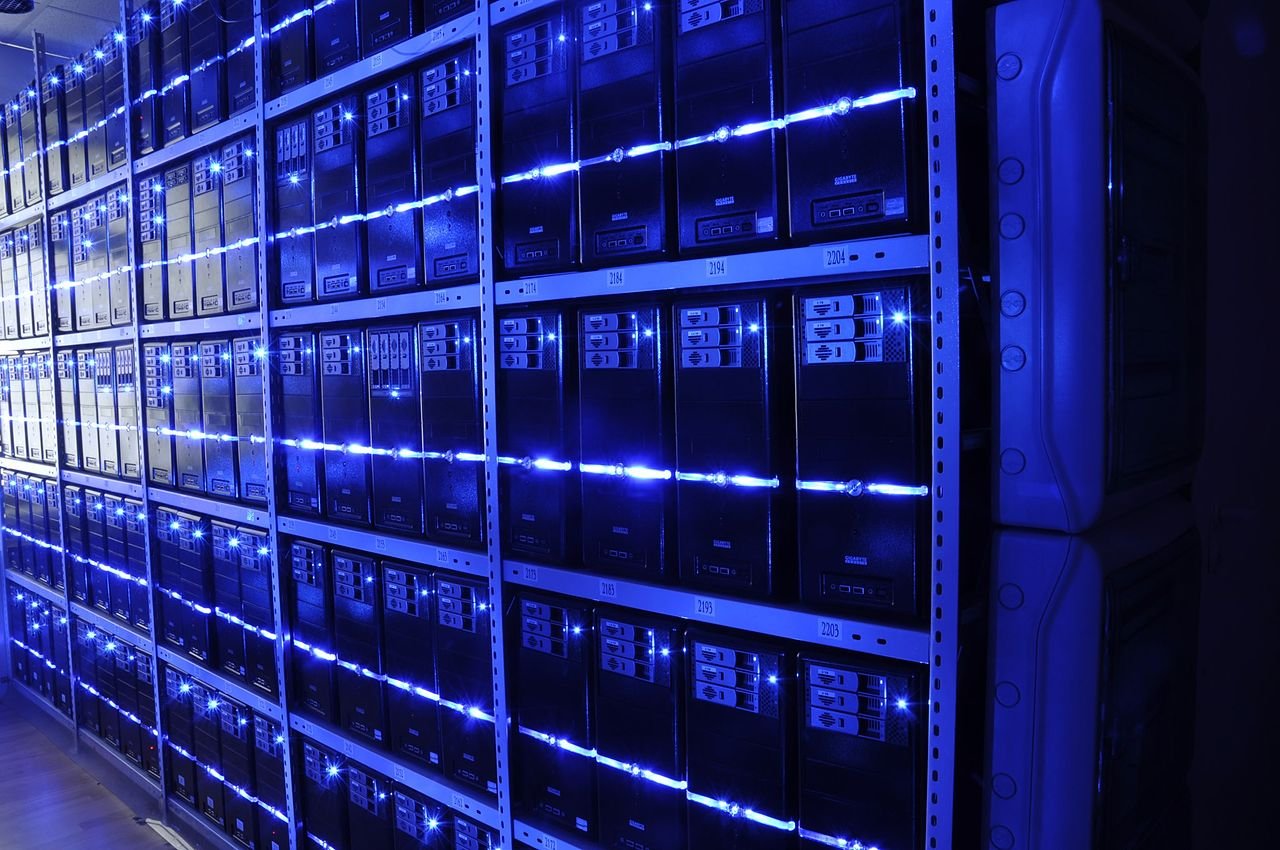
The data-centre energy conversation tends to fixate on two things: the chips that draw the power and the chillers that cool them. The building itself — the shell wrapped around all that equipment — barely rates a mention. In a temperate climate, that omission is forgivable. In tropical ASEAN, it is a measurable cost.
Cooling is already the defining number
In a data centre, cooling is not a side cost — it is a large fraction of the whole. The IEA notes that cooling systems range from around 7% of total consumption in efficient hyperscale facilities to over 30% in less efficient ones. That spread is the entire game: the difference between a competitive facility and an expensive one is largely the difference in how much energy is spent moving heat out.
And the demand is exploding. Wood Mackenzie projects Southeast Asian data-centre power demand to quadruple from 2.6 GW to 10.7 GW between 2025 and 2035. In Singapore, data centres already account for roughly 9% of national electricity. At that scale, a few percentage points of avoidable cooling load is a national-grid-level number — and a serious line on the operator’s P&L.
Where the envelope enters the equation
Operators pour enormous effort into mechanical and electrical efficiency — chiller plant, airflow management, the relentless pursuit of a lower PUE. Far less attention goes to the passive shell, yet in equatorial heat the envelope works against the cooling system every hour:
- Solar gain through the roof and walls adds heat the cooling system must then remove, on top of the heat the servers generate.
- Air infiltration at junctions and openings lets hot, humid outside air leak into conditioned space — and humidity is its own expensive problem in this climate.
- Thermal bridging and insulation gaps create uneven loads that make the whole system work harder to hold setpoint.
None of this shows up in a server-room dashboard. It shows up as a cooling system that runs harder than the IT load alone would explain — a PUE that is stubbornly higher than the mechanical design promised.
The envelope is the cheapest part of the PUE problem
Improving PUE through mechanical upgrades is capital-intensive and complex. Sealing the envelope and fixing its thermal weaknesses is comparatively cheap, and it reduces the load before it ever reaches the chillers. Every watt of solar gain or infiltration eliminated at the shell is a watt the cooling plant never has to fight — a permanent reduction that compounds across the life of the facility.
Measure the shell, not just the racks
The obstacle is the same one that affects every large building: the envelope is rarely measured. A drone thermal survey reads the entire shell — roof, walls, and junctions — and locates exactly where heat is entering and conditioned air is escaping. For an operator running multiple facilities across the region, it benchmarks each building’s envelope performance on one scale, pointing remediation at the sites adding the most avoidable load.
As ASEAN races to build the data centres the AI era demands, the operators who treat the building shell as part of the cooling strategy — not just the box it sits in — will run the most competitive PUE in the hardest climate to do it. The envelope is the overlooked variable. It is also one of the cheapest to fix.
Technicity helps data-centre and critical-facility operators across ASEAN survey the building shell and cut avoidable cooling load. To see what your envelope is adding to your PUE, start a conversation — no commitment, no obligation.
Interested in Japanese Deep-Tech for Your ASEAN Operations?
Technicity bridges Japanese bio-process innovation into ASEAN markets. Tell us about your needs and we will connect you with the right technology.